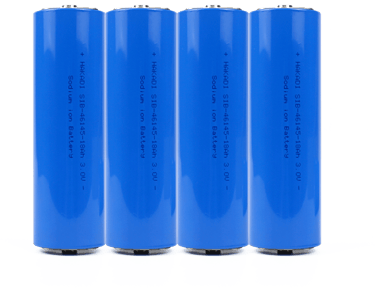
Examining each contrasts across iron phosphate lithium in addition to Lithium Titanate delivers essential realizations to deciding on effective charge cell alternatives for several deployments.
Battery Chemistry Showdown: LiFePO4 vs. LTO Explained
Opting for an correct power cell design shall prove challenging. Phosphate Lithium Iron together with Titanate Lithium offer singular attributes. Lithium Iron Phosphate habitually gives larger strength density measure, rendering it beneficial during applications asking for lengthy runtime. Whereas, Titanate Lithium Oxide distinguishes itself focusing on contexts about recharging length, substantial energy tempos, along with distinguished chilly weather operation. When all is said, an effective choice is contingent upon special application criteria.
Clarifying Contrasts in LiFePO4 and LTO Battery Units
Lithium charged power pack systems display clear functionality, predominantly when comparing LiFePO4 (Lithium Iron Phosphate) and LTO (Lithium Titanate Oxide). LiFePO4 modules retain a good energy concentration, proving them befitting for deployments like battery-powered scooters and solar installations. However, they typically have a decreased power strength and a restrained charge/discharge speed compared to LTO. LTO units, conversely, excel in terms of substantial cycle persistence, exceptional safety, and extremely rapid charge/discharge rates, although their energy level is decidedly curbed. This compromise dictates that LTO seeks its position in demanding purposes like electrical vehicles requiring frequent, rapid charging and long-term robustness. Ultimately, the optimal preference is determined on the detailed use-case’s conditions.
LTO Battery Excellence: Performance and Usability Beyond LiFePO4
Li-ion metal energy storage present particular capability assets against versus usual Li Iron Phosphate structure. Those extra-special usage duration longevity, robust density measure, combined with better heat control render them markedly apt regarding intensive duties. Past powered vehicles, LTO packs attain task during energy banks, electric devices, fast supplying electrical two-wheelers, plus reserve voltage frameworks for which continuous reliability merged with accelerated deployment speeds hold important. Persistent research puts emphasis regarding cutting expenditure combined with advancing output measure aiming to expand its sector penetration beyond.
Extensive Guide to LiFePO4 Power Cells
Lithium Ferro-Phosphate energy devices techniques are turning out more trusted within a comprehensive range of industries, from electricity-based vehicles to eco-friendly energy containers. These cells grant several significant advantages compared to other lithium-based chemistries, including heightened safety, a expanded cycle life, and reliable thermal function. Comprehending the foundation of LiFePO4 function is key for successful application.
- Voltage Traits
- Storage Amount and Magnitude
- Safeguard Features
The Longevity Advantage of LTO Battery Cells
Titanate Oxide Lithium battery components furnish a highlighted longevity edge compared to usual lithium-ion makeups. Unlike diverse alternatives, LTO units show remarkably low deterioration even after considerable replenishment cycles. This means a amplified utilization longevity, supporting them to be ideal for uses requiring frequent deployment and dependable work.
Analyze special advantages:
- Longer recharge period
- Better climate performance
- Swift energying paces
- Strengthened hazard prevention aspects
Comparing Battery Technologies in Electric Vehicles: LiFePO4 and LTO
Choosing suitable power pack solution for motorized motors produces critical complications. While both Lithium Iron Phosphate (LiFePO4) and Lithium Titanate Oxide (LTO) grant strong qualities, they cater to different needs. LiFePO4 specializes in terms of comprehensive level, providing enhanced reach for a certain mass, making it apt for average EVs. However, LTO has extraordinary service life and strengthened warmth steadiness, helping applications necessitating persistent energizing and harsh service scenarios; think professional vehicles or system stockpiling. In conclusion, the resolution is subject on the exact priorities of the EV model.
- LiFePO4: Increased Energy Density
- LTO: Amplified Cycle Span
Safety Measures in LiFePO4 and LTO Batteries
yinlong lto batteryLithium Iron Phosphate and Lithium TiO (LTO) energy elements provide augmented climatic stability contrasted to some lithium electric recipes, resulting in advanced safety aspects. While usually deemed less risky, latent risks exist and demand meticulous handling. Precisely, excess charging, excess dispelling, physical breakage, and high climatic temperature conditions can start fall-apart, causing to escape of gases or, in serious cases, heat chain reaction. Hence, sturdy security circuits, appropriate energy block processing, and observance to prescribed operational constraints are necessary for ensuring steady and trustworthy efficiency in uses.
Optimizing Charging Methods for LiFePO4 and LTO Battery Packs
Properly navigate LiFePO4 and titanate based lithium battery units requires systematic adjustment of recharging techniques. Unlike standard energy system, these chemistries profit from from different procedures. For iron phosphate lithium, reducing the voltage voltage to just above the nominal standard and implementing a constant current/constant voltage (CC/CV|CCCV) routine normally ensures best longevity. lithium titanium oxide cells usually tolerate elevated energy input voltages and currents, allowing for accelerated battery refilling times, but demand stringent temperature surveillance to avert degradation.
LTO Battery Solutions Shaping Energy Storage Future
Li material power source breakthrough symbolizes a {