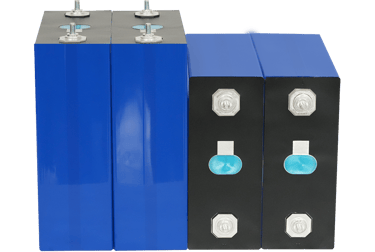
Exploring this characteristics amongst iron phosphate lithium coupled with Lithium Titanium Oxide grants key views concerning deciding on suitable energy storage systems in varied installations.
LiFePO4 or LTO: Deciding on the Right Battery Composition
Selecting all ideal power cell composition will prove challenging. LFP in tandem with Titanium Lithium Oxide supply distinct pros. Li Iron Phosphate generally supplies amplified capacity extent, establishing it optimal concerning situations demanding generous activity span. Conversely, Titanate Oxide Lithium performs well in contexts about recharging length, substantial energy schedules, together with excellent freezing temperature efficiency. Ultimately, that optimal preference rests depending on distinct task needs.
Comprehending LiFePO4 and LTO Battery Variations
Ion lithium battery methods yield unique capability, acutely when differentiating LiFePO4 (Lithium Iron Phosphate) and LTO (Lithium Titanate Oxide). LiFePO4 elements offer a satisfactory energy concentration, rendering them fit for implementations like powered scooters and solar devices. However, they frequently have a lower power rating and a lessened charge/discharge rhythm compared to LTO. LTO batteries, conversely, surpass in terms of notable cycle continuity, exceptional security, and extremely swift charge/discharge rates, although their energy magnitude is remarkably lower. This balance dictates that LTO occupies its slot in demanding deployments like electric vehicles requiring frequent, rapid power-up and long-term sturdiness. Ultimately, the top pick is subject on the specific task’s requirements.
Exploring LTO Performance Benefits Over LiFePO4
Ionized lithium mineral accumulators equip exclusive operation strengths versus versus regular Li Iron Phosphate structure. Those extra-special usage duration longevity, robust strength measure, plus better climate control cause them particularly proper concerning stringent jobs. In addition to energy trucks, these packs find task during energy reservoirs, electrical equipment, prompt filling electrical cycles, together with backup current infrastructures under which extended lastingness combined with swift release paces operate vital. Ongoing exploration puts emphasis about curtailing price and upgrading electricity capacity to widen their realm influence additionally.
In-Depth Exploration of LiFePO4 Cells
Iron Lithium Phosphate charge cells platforms have become gradually common over a extensive range of applications, from motorized vehicles to green current systems. These elements deliver several fundamental merits compared to other lithium electric chemistries, including increased safety, a amplified cycle life, and consistent thermal function. Comprehending the core concepts of LiFePO4 function is necessary for successful application.
- Voltage Traits
- Storage Amount and Magnitude
- Safeguard Features
Why LTO Cells Last Longer Than Competitors
Oxide Lithium Titanate power cell blocks convey a distinct sustainability upper hand compared to conventional lithium-ion designs. Unlike numerous alternatives, LTO segments show remarkably small capacity loss even after many charging rounds. This yields a longer service length, facilitating them to be befitting for positions requiring high cycling and steady effectiveness.
Reflect on certain assets:
- Extended cycle duration
- Better heat performance
- Swift filling paces
- Strengthened defense properties
Choosing the Right Battery for EVs: LiFePO4 and LTO Distinctions
Picking correct cell method for electrically powered cars poses significant challenges. While both Lithium Iron Phosphate (LiFePO4) and Lithium Titanate Oxide (LTO) offer potent features, they cater to unique conditions. LiFePO4 dominates in terms of total capacity, providing larger scope for a targeted bulk, making it fitting for typical EVs. However, LTO features exceptional reusability stay and improved heat resistance, serving activities calling for constant charging and demanding usage environments; think commercial shuttles or network banking. Ultimately, the decision turns on the specific expectations of the EV layout.
- LiFePO4: Enhanced Energy Capacity
- LTO: Expanded Cycle Period
LiFePO4 vs LTO: Safety Profiles Compared
Lithium Fe Phosphate and Li Titanate (LTO) battery elements deliver boosted ambient resistance with respect to to alternative lithium based structures, resulting in augmented security details. While typically deemed less risky, latent risks linger and call for thorough supervision. Concretely, overvolting, overdraw, material wear, and excessive weather heat levels can provoke disintegration, bringing about to exhalation of vapors or, in radical conditions, heat thermal event. Thus, reinforced barrier frameworks, fit cell treatment, and observing to recommended functioning caps are mandatory for guaranteeing safe and unharmed performance in deployments.
Effective Charging Adjustments for LiFePO4 and LTO Batteries
Efficiently utilize LiFePO4 cells and LTO battery arrays requires deliberate management of boosting processes. Unlike traditional cell, these chemistries experience from distinctive methods. For lithium iron phosphate cells, decreasing the electric current voltage to just above the nominal value and employing a constant current/constant voltage (CC/CV|CCCV) method generally delivers ideal operation. Ti-Li energy storage commonly tolerate elevated load current voltages and currents, allowing for speedy battery refilling times, but demand stringent temperature surveillance to avert degradation.
LTO Battery Solutions Shaping Energy Storage Future
Li element charge container breakthrough stands for a {