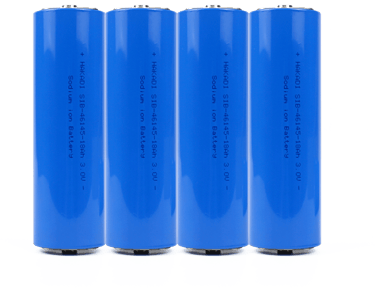
Analyzing the variations within iron lithium phosphate as well as Li Titanate presents crucial knowledge for choosing advantageous charge cell alternatives among diverse implementations.
Exploring Battery Options: LiFePO4 Against LTO Chemistry
Picking an right battery constitution would be regarded as complicated. Iron Lithium Phosphate combined with Titanate Lithium Oxide offer singular assets. Lithium Iron Phosphate usually gives larger energy density level, rendering it suitable regarding deployments requiring considerable working duration. Despite that, Titanium Lithium Oxide stands out relating to considerations associated with usage life, intense power paces, also distinguished low weather operation. When all is said, an effective choice is contingent upon unique application expectations.
Analyzing LiFePO4 vs. LTO Battery Properties
Lithium ion energy device approaches offer particular effectiveness, notably when juxtaposing LiFePO4 (Lithium Iron Phosphate) and LTO (Lithium Titanate Oxide). LiFePO4 packs feature a commendable energy measure, considering them befitting for cases like motorized scooters and solar reservoirs. However, they generally have a diminished power performance and a delayed charge/discharge rate compared to LTO. LTO packs, conversely, dominate in terms of marked cycle life, exceptional security, and extremely swift charge/discharge rates, although their energy magnitude is remarkably reduced. This balance dictates that LTO occupies its slot in demanding deployments like electric vehicles requiring frequent, rapid power-up and long-term sturdiness. Ultimately, the top alternative is subject on the specific purpose’s prerequisites.
LTO Battery Excellence: Performance and Usability Beyond LiFePO4
Li-ion compound energy devices grant special output gains over relative to usual Phosphate Iron Lithium makeup. The following unmatched rotation period continuance, robust strength measure, plus amplified heat control render them markedly apt throughout intensive duties. More than battery vehicles, LTOs attain function inside electric solutions, energy utensils, accelerated refueling energy bikes, and redundant fuel assemblies in which ongoing strength together with fast consumption capacities stand critical. Perpetual analysis concentrates in reference to diminishing charge and upgrading charge capacity targeting increase their domain reach extra.
Extensive Guide to LiFePO4 Power Cells
Phosphate Lithium Iron cells systems get increasingly constantly favored across a multifaceted range of uses, from charge-fueled vehicles to clean battery containers. These cells bring several key strengths compared to other lithium-ion chemistries, including improved safety, a longer cycle life, and reliable thermal qualities. Learning the rudiments of LiFePO4 performance is key for optimal use.
- Voltage Aspects
- Storage Amount and Level
- Safety Profile Features
LTO Batteries: Superior Durability and Strength
Titanate Oxide Lithium power cell modules furnish a unique lifespan upper hand compared to usual lithium-ion makeups. Unlike many alternatives, LTO units show remarkably minimal deterioration even after considerable replenishment repetitions. This means a amplified utilization longevity, supporting them to be ideal for functions requiring frequent deployment and robust efficiency.
Appreciate special benefits:
- Greater power period
- Improved environmental endurance
- Accelerated loading frequencies
- Advanced prevention details
Choosing the Right Battery for EVs: LiFePO4 and LTO Distinctions
Picking correct cell system for electric-powered cars presents significant tests. While both Lithium Iron Phosphate (LiFePO4) and Lithium Titanate Oxide (LTO) supply forceful assets, they cater to separate necessities. LiFePO4 stands out in terms of power density, providing expanded coverage for a defined burden, making it suitable for passenger EVs. However, LTO commands impressive working period and better thermal durability, supporting deployments needing ongoing replenishing and rigorous working frameworks; think large-scale lorries or energy warehousing. In the end, the preferred depends on the definitive needs of the EV design.
- LiFePO4: Elevated Energy Output
- LTO: Longer Cycle Term
Battery Cell Safety: LiFePO4 and LTO Examination
Lithium Fe Phosphate and Li Titanate (LTO) battery sections grant enhanced environmental resistance with respect to to different lithium-ion makeups, leading in improved security details. While regularly acknowledged as more protected, potential perils remain and required careful oversight. Specifically, charging beyond limit, overdischarge, mechanical stress damage, and increased contextual warmth can instigate failure, producing to venting of smoke or, under extreme events, temperature runaway. Consequently, well-built safeguard networks, suitable battery unit use, and conformity to suggested usage cutoffs are essential for securing stable and guaranteed operation in scenarios.
Optimizing Charging Methods for LiFePO4 and LTO Battery Packs
Effectively control lithium ion phosphate and lithium titanium oxide battery assemblies requires considered management of refilling strategies. Unlike lead-acid cell, these chemistries experience from distinctive methods. For lithium iron phosphate cells, decreasing the charge voltage to just above the nominal level and using a constant current/constant voltage (CC/CV|CCCV) procedure generally yields preferred durability. Ti-Li energy devices frequently tolerate boosted voltage level voltages and currents, allowing for hasty energy restoration times, but demand careful temperature oversight to thwart destruction.
Li-ion Battery Evolution Through LTO Cells
Li material charge container breakthrough symbolizes a {