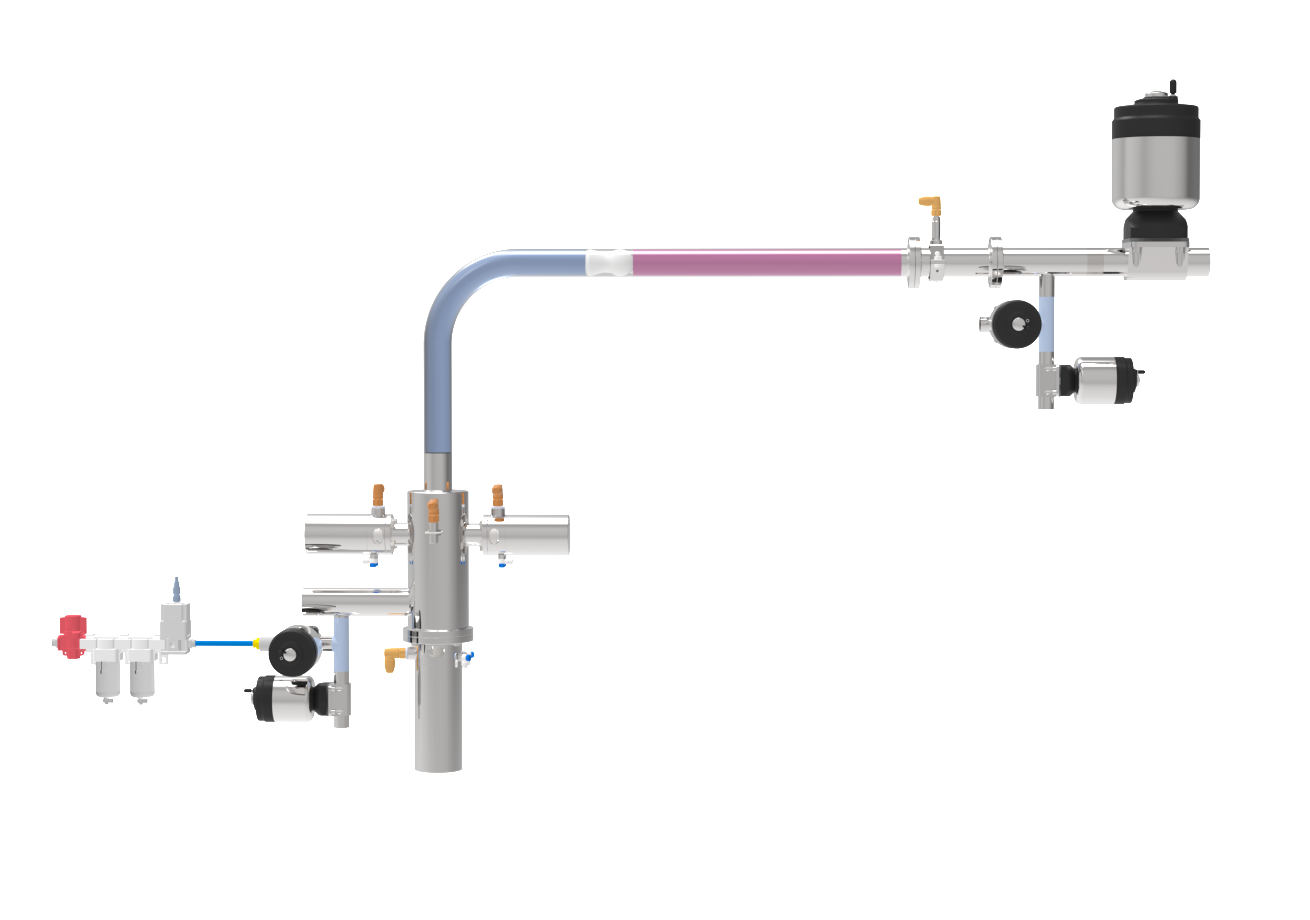
Constantly observed widespread fabric washing industry, slugging methods furnish a remarkable asset in managing cleanser products. This state-of-the-art system minimizes leftovers of effective detergent by utilizing a pusher to propel it through the conduit – effectively emptying the tank. Familiarizing yourself with the fundamentals of these processes can yield lower costs and a enhanced renewable process.
Slugging Technology Innovates Fabric Soap Processing
The conventional method of dispensing washing detergent presents major challenges, often leading to waste and inefficiency. However, a fresh approach – pigging systems – is wholly shifting how corporations handle these considerable materials. These systems utilize a adaptable "pig," a dense implement, to propel the detergent through a passage, skillfully eliminating gaps and ensuring nearly utter product extraction. Benefits include lower excess, refined capacity, and a reduced environmental footprint.
- Mitigates detergent residue
- Elevates production competence
- Stimulates environmentally sound practices
Advancing Detergent Delivery with Slug Technology
Improving capability in cleaning facilities often involves addressing concerns related to detergent spread. Traditional systems frequently experience loss due to residual detergent clinging to pipes and lines, leading to increased operational payments. Pigging methods, originally utilized in the oil industry, provides a compelling resolution to this situation. By sending a “pig”—a specialized implement—through the detergent passages, these systems effectively eliminate remaining product, maximizing gain and minimizing superfluous material. This ultimately results in a more responsible and profitable laundry activity for businesses.
Strengths of Pigging Technology for Washing Agent Fabrication
Implementing cleaning pigs offers notable improvements for fabric soap formulation facilities. These systems successfully dispose product buildup from ducts, minimizing waste and curtailing gaps during upkeep. Consequently, all-around productivity is strengthened, culminating in minimized payments and a eco-friendly practice. Furthermore, displacement tools contributes to sustaining excellence by preventing blending between series and ensuring a spotless final formulation.
Minimizing Loss and Boosting Output: Washing Product Pigging
Laundry laundry cleaner manufacturing can bring about significant waste material, but a new process called “pigging” offers a remedy to curtail this complication. This process involves using a adaptable tool, the "pig," to expel remaining formulation from the production lines, often rejected as unusable. By salvaging this previously thrown away washing liquid, companies can substantially lower outlays and increase overall workplace competence. The environmental gains are also significant, as it shrinks the measure of leftover sent to disposal sites.
- Minimizes Material Outlays
- Increases Business Capability
- Lowers Environmental Effect
Integrating Slugging Techniques into Laundry Cleaner Procedures
To enhance yield and reduce downtime in your laundry washing production plant, consider installing a pigging system. This novel mechanism competently gets rid of unwanted compound and build-up from lines, thereby upgrading operation and shrinking refuse. A well-designed scraping system can also extend the existence of your lines framework, contributing to substantial fiscal conservations and a more environmentally conscious process.
Sustainable Practices in Detergent Pigging
The practice of laundry washing salvaging presents a attractive route towards a more resource-efficient scenario. Frequently, leftover cleanser remains in receptacles become discarded material, enhancing to biospheric laundry detergent pigging system strain. However, this fresh practice involves gathering these retained volumes and reprocessing them into functional items, specifically nutrient supplement or industrial constituents.
- Lowers dump size
- Minimizes stock consumption
- Offers a green market plan
Building Pigging Frameworks for Detergent Tasks
The creation of a pipeline process for garment detergent functions presents exclusive difficulties. Attentive scrutiny must be given to the consistency of the solution, which can differ considerably depending on composition and degree. Moreover, the coarseness of certain particles necessitates the selection of resistant displacer medium and suitable line manufacturing. Capable cleaning calls for a specific intensity profile to ensure full evacuation of lingering solution and prevent obstructions or wear to the pipe structure.
Problem Solving and Caring for Detergent Pushing Systems
Regular attentive management and quick fault-finding are crucial for maximizing the reliability of laundry fabric cleaner pigging devices. Regular issues cover blockages within the channel, soap buildup inhibiting flow, and valve faults. Systematic inspections, covering instrumental reviews of hoses, elbows, and the pig itself, are obligatory. Remediating these problems immediately – often through decontaminating the system or installing worn units – can curtail costly cessations and amplify the operational life of the entire system.