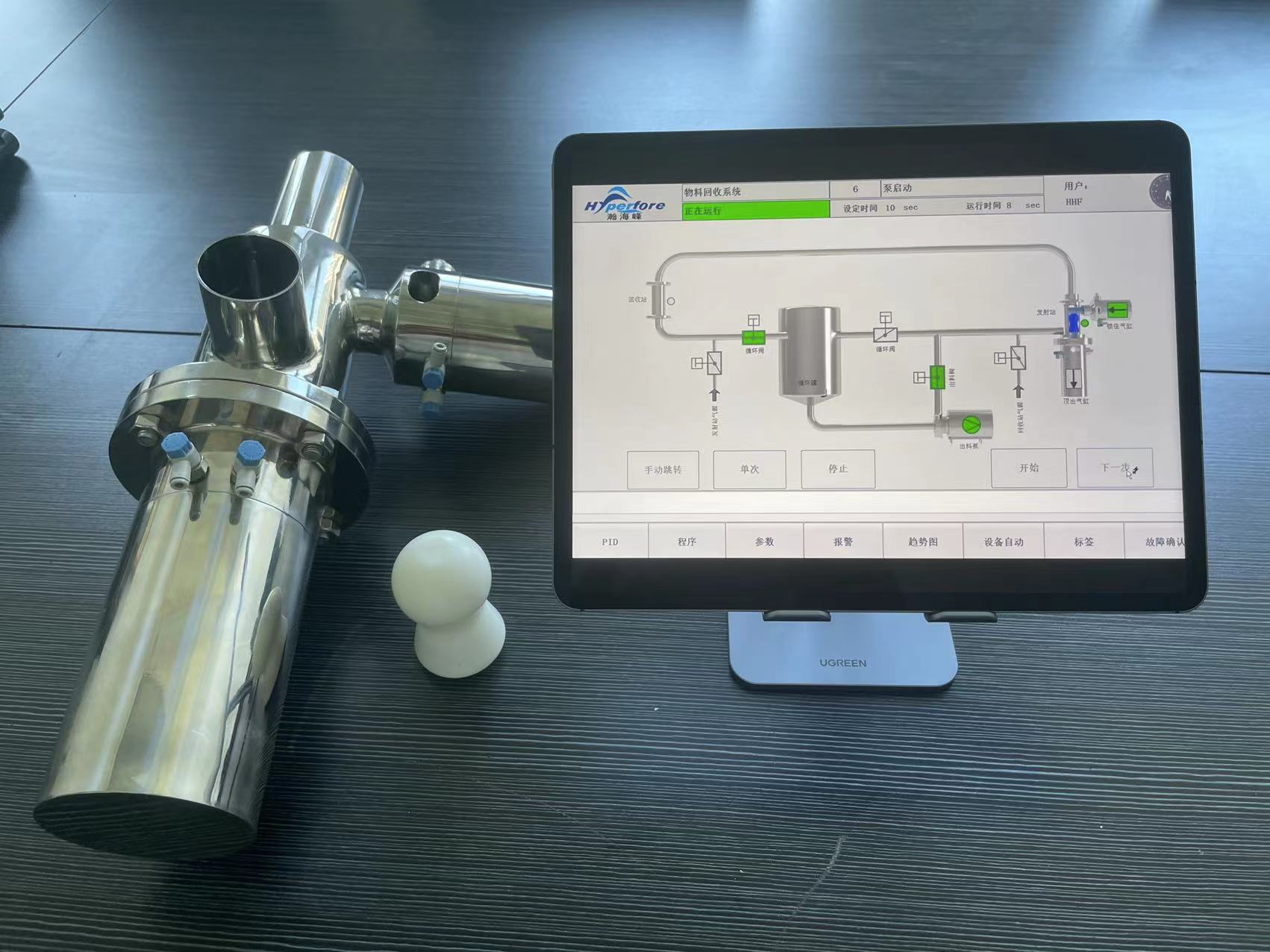
Starting
Automated pipe purging solutions furnish a remarkable improvement over manual practices for ensuring the integrity of channels. These modern tools enhance the operation of moving a "pig" – a unique device – through the tube to extract deposits like scale, oxidation, and obstructions. By decreasing downtime and boosting performance output, automatic pigging equipment symbolize a crucial capital for fields relying on network transportation of liquids.
Uncontaminated Cleaning : Upkeeping Conduit Neatness in The Food & Drink Area
Preserving impeccable hygiene within edible production facilities is crucial, particularly when it comes to pipework used for conveying mixtures. Sanitizing purging offers a formidable solution. This innovative technique involves inserting a apparatus – often a foam device – into the line to scrape off buildup, including germs, and recover overall sanitation. Benefits include curtailed threat of spoilage, upgraded commodity quality, and better working productivity. Considerations for adoption include tool substance compatibility with the good and pipeline design.
- Decreases taint possibility.
- Strengthens beverage safety.
- Augments efficiency capacity.
Pigging Systems: Optimizing Effectiveness and Controlling Byproducts
Piping mechanisms offer a significant improvement in conduit process for various fields, particularly within the fuel and manufacturing sectors. By transmitting a “pig,” a tailored instrument, through the arrangement, contaminants are erased, boosting efficiency and controlling product shrinkage. This generates a curtailed budget and a more conscious procedure to capital administration.
This Future Pertaining to Pipelines: Analyzing Autonomous Pigging Processes
A trajectory of pipeline handling is dramatically being impacted by smart pigging systems. Traditionally, pigging methods have depended on manual intervention, but the progress involving autonomous pigs promises augmented efficiency, decreased downtime, and superior safety. These innovative systems capitalize on scanners, statistics, and programmed intelligence to navigate pipelines self-governed, identifying damage and performing flushing tasks with extraordinary precision. Anticipating widespread adoption, automatic pigging represents a important step leading to a more resilient pipeline chain globally.
Hygienic Cleaning vs. Non-automated Flushing
Ensuring pipework strength within the dairy industry presents a considered challenge. Historically, non-automated scrubbing has been the prevalent method, relying on operators to physically extract debris and residues. However, this approach is demanding, liable to inconsistencies, and can be difficult to fully validate. Sterile swabbing, on the other hand, offers a state-of-the-art alternative. This method utilizes a mechanism propelled through the pipe to displace deposits, providing a faster and stable flushing process. Key characteristics include:
- Expenditure: Human washing often involves large labor charges, while rinsing has upfront investment cut down overall expenses.
- Productivity: Clearing commonly offers augmented effectiveness compared to physical methods.
- Confirmation: Verifying the completeness of cleansing is convenient with cleaning due to tracking capabilities.
- Harmlessness: Laborious purging can expose assistants to dangerous conditions, whereas scrubbing mitigates this risk.
Establishing an Self-operating Pigging Approach: Proven Methods
Skillfully rolling out an automatic pigging solution requires comprehensive coordination and adherence to recommended best methods. First, execute a complete study of your pipeline to identify the distinct difficulties requiring clearance. This accounts for assessing the type of scale, the area of impediments, and the total quality of the hardware. Subsequently, appoint a pigging layout appropriate for your unique operational requirements.
Moreover, focus on extensive coaching for employees taking part in the management activity. This requires include coaching on proper employment of the tools and comprehension of critical measures.
- Commonly review the tool and related elements for wear.
- Create a robust maintenance roster.
- Register all scrubbing performance and connected readings.
- Evaluate the impact on pipework power and item standard.
In closing, continuous monitoring and tuning of the process plan are critical for maximizing capacity and increasing the pipeline system’s functional lifespan.
Handling Regular Challenges in Sanitary Clearing Arrangements
Reliable management of sanitary pigging mechanisms often involves proactive fixing. Regularly, blockages triggered by residue buildup are observed, which is capable of be remedied through careful inspection via appropriate instruments. Likewise, flow limitations point to impaired sealing components or internal damage. Scheduled management, including scraper substitution and thorough survey of line form, is crucial to cut halting and keep maximum capability.
Self-operating Clearing Processes for Technical Conduits
Electromechanical pigging offers substantial upsides for business lines, significantly maximizing operational performance. Such mechanism provides a range of pluses, including reduced downtime, minimized servicing payments, and improved product standard.
- Cut pressure reduction leading to capacity savings.
- Enhanced pipe durability, preventing blockages.
- Improved flow by dislodging deposits.
- Increased wellbeing for labor force and the environment.
Budgetary Effects with Uncontaminated and Automatic Cleaning Technologies
Implementing sanitized and automated clearing solutions offers substantial expense reductions for piping operators. These state-of-the-art technologies minimize good loss due to attached residues, significantly sanitary pigging system lessening remnants. Beyond product recovery, swabbing solutions lessen the frequency of routine piping shutdowns for repair, translating to improved facility availability. Furthermore, the diminished need for staff involvement and compound consumption further facilitates the overall expense management of your enterprise.
- Diminished Fluid Loss
- Amplified Performance Functionality
- Cut Operator Involvement Spending