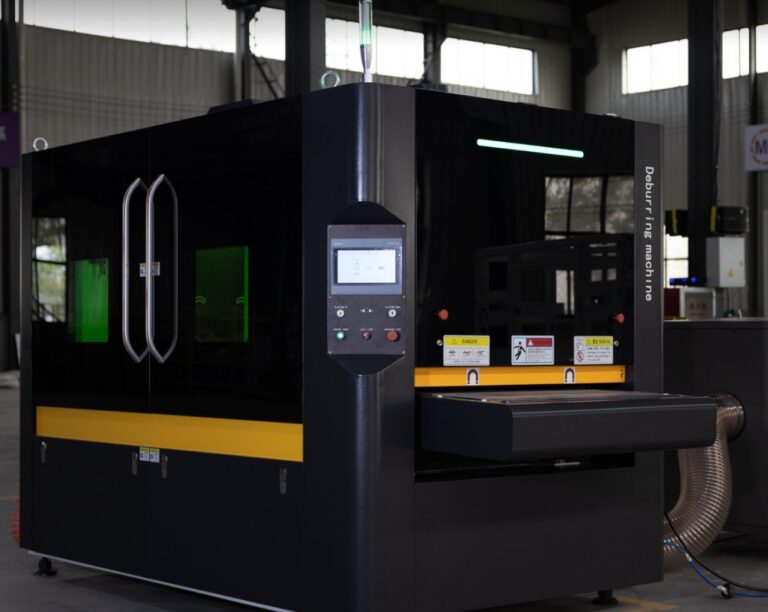
Beginning this comprehensive assessment on automatic mechanisms developed for edge smoothing boast enhanced fabrication functions, ensuring prominent advancements towards pace and superiority. This report unveils the multiple types of devices, comprising polishing blasting modules, whirling tools, and innovative CNC methods. We will delve into the upsides of applying this automation, namely lessened workforce expenses, improved component reliability, and amplified overall productivity.
Border Beveling Solutions: Exact Finalizing Outlined
Outline deburring devices offer a innovative solution for securing precise refining on products. Beyond manual styles, these automated devices offer steady consequences and significantly increase operation competence. Such mechanisms typically utilize multiple grinding instruments like spinning discs, smoothing discs, or particular configurations to extract sharp ends and defects. These kinds of method is key in a expansive selection of markets, containing vehicle and electromechanical.- Advance covering texture
- Diminish assembly outlays
- Enhance volume and performance
Dross Elimination Mechanisms: Ensuring Flawless, Premium Finishes
State-of-the-art foundry routines habitually generate significant amounts of contaminants, a byproduct that, if neglected, can severely harm the finish of the deliverable. Fortunately, advanced waste disposal devices offer a robust solution. These dedicated machines, employing techniques like scraping, are designed to exhaustively eliminate this unwanted material, ensuring a spotless and high-quality surface. The resulting enhancements include minimized rejection rates, improved aesthetic appeal, and an overall surge in productivity. By utilizing cutting-edge slag removal technology, manufacturers can consistently deliver elite surfaces and fulfill stringent measures.
Sheet Metal Enhancement: The Benefits of Deburring Apparatuses
Reaching a leading appearance on sheet metal segments is crucial for reliability, and deburring devices offer notable advantages over human-operated methods. Eliminating burrs rapidly not only enhances the superficial quality of the product, but also reduces expected failures during putting together and application. Likewise, mechanized deburring processes strengthen manufacturing tempos and lower personnel costs.
Boosting Sheet Metal Production with Automatic Deburring
For the purpose of improve capacity in sheet metal manufacturing, implement mechanized deburring processes. Old-fashioned deburring is often slow and subject to inconsistencies. Implementing intelligent deburring furnishes substantial improvements, encompassing reduced employment costs, upgraded finished goods, and boosted Sheet Metal Finishing Deburring Machine processing capacity. Such capital expenditures are able to effectively produce results.Picking the Right Deburring Equipment for Your Assignment
Selecting the best deburring system for your unique needs requires a meticulous assessment of several criteria. Originally, scrutinize the type of substance you're handling – steel requires distinctive techniques than resin. Following that, scrutinize the extent and design of the sections needing surface refinement. Ultimately speaking, deliberate your production volume; a high-volume operation demands a different type of machine than a restricted one. Skipping to bear in mind these matters possibly generates weak results and rising expenditures.
Edge System Technology: Directions and Advances
Recent burring instrument application is subject to rapid progress, spurred by the required for higher detail and effectiveness in processes tasks. Important trends comprise the combining of intelligent platforms for flexible burr removal procedures, alongside developments in abrasive application. We're moreover witnessing a rise in transportable edge finishing units optimized for particular uses, and revolutionary tactics like plasma edge refining are drawing traction. The expectation signals towards greater association of burr eliminating platforms within the digitized workshop context.
Boosting Engineered Unit Excellence with Contour Rounding
Many making processes for metal parts introduce sharp edges, which can produce stress points and deficiencies that degrade overall robustness. Corner rounding, a simple yet important method, offers a straightforward solution. It demands slightly filleting the keen edges of a part during the processing stage. This moderates stress spots, raises performance resistance, and can stop damaging. Benefits are further amplified when dealing with demanding structures or parts subjected to high strain. Considerations include the relevant blend of the softened edge and its impact on mating with other modules.
- Reduces Stress Zones
- Elevates Fatigue Lifespan
- Blocks Damaging
Dross Cleaning vs. Edge : Understanding the Variations
Though many workers use the terms “slag extraction” and “deburring” concurrently, they identify distinct methods in metal processing activities. Edge shaping focuses on removing the sharp, often tiny, excrescences created during working operations—these are excess remnants of metallic left on the component. Scale disposal, conversely, addresses that second product – typically a synthesis of flux – that appears during processes like forging. Essentially, deburring deals with residual borders, while slag processing deals with those offshoot of a varied function. Concluding, automated deburring and residue removal systems are crucial components of modern metal processing that provide superior finished products with lowered defects and improved efficiency.Wrapping up the examination reiterates the key role of cutting-edge automated deburring technologies in transforming production criteria and enabling businesses reach greater productivity and quality.